
HDPE Duct for Fiber Optic — Monoduct, Biduct, Triduct
HDPE duct is the pipe a fiber optic cable is pulled through underground. These run 40 × 34 × 3 mm in three configurations: monoduct (one duct), biduct (two), and triduct (three), extruded from virgin high-density polyethylene with a minimum of 18 to 20 internal longitudinal ribs that cut friction on the pull.
Laser-marked footage every 1.5 m or less, rolls of 500 to 1000 m depending on the configuration, and a test report behind every number on this page. Built to NTE INEN 1740 and INEN 499 and distributed to network operators, ISPs, and contractors in Latin America and the Caribbean, by the full container or mixed with fiber cable and TDP duct.
Request a Quote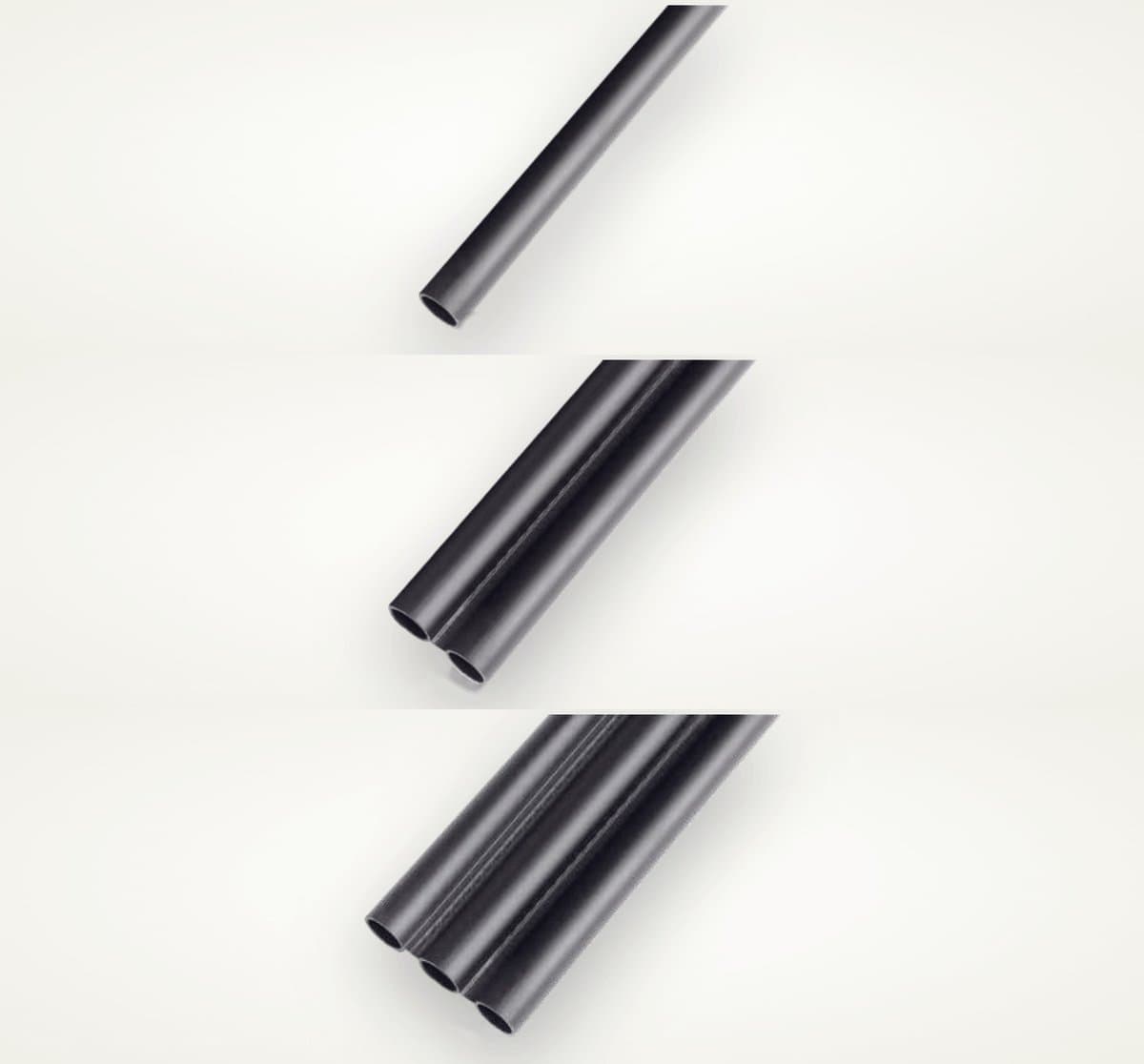
Monoduct vs. Biduct vs. Triduct
Same 40 × 34 × 3 mm section and the same virgin HDPE. What changes is how many ducts come on the roll, and that depends on how many cables the route will carry.
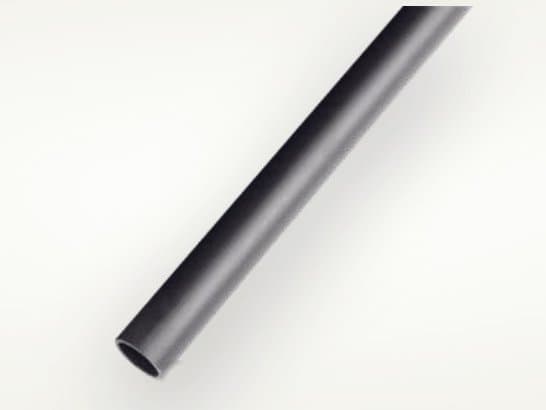
HDPE Monoduct
One cable, one path. The default for a single fiber route or a drop to a building.
- 40 × 34 × 3 mm
- Min. 18 internal ribs
- Rolls of 500–1000 m
- Elongation at break 664% · Vicat softening 78.4 °C
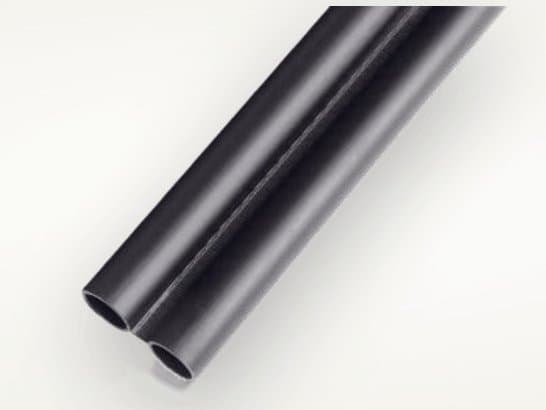
HDPE Biduct
Two ducts in one trench: one for the cable going in now, one spare for the cable that comes later without digging again.
- 40 × 34 × 3 mm
- Min. 20 internal ribs
- Rolls of 500–600 m
- Elongation at break 664% · Vicat softening 78.4 °C
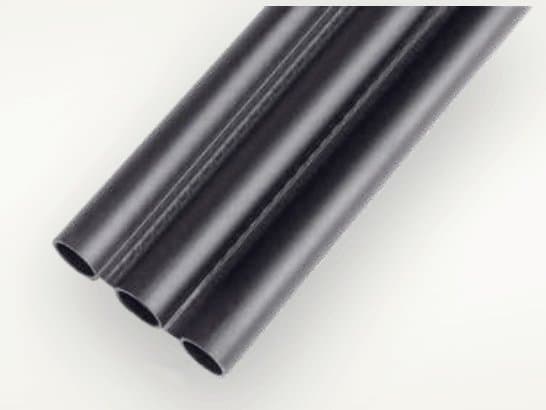
HDPE Triduct
Three ducts in a single pull, for backbone routes planned to carry more than one cable.
- 40 × 34 × 3 mm
- Min. 20 internal ribs
- Rolls of 500 m
- Elongation at break 721% · Ring stiffness > 4.0 kN/m² (ISO 9969)
HDPE Duct Specifications
Test Results
Results from the factory report against each test requirement. Conditions: 23 ± 2 °C, 50 ± 5% relative humidity.
| Test | Requirement | Monoduct | Biduct | Triduct |
|---|---|---|---|---|
| Density | min. 0.94 g/cm³ | > 0.95 | > 0.95 | > 0.95 |
| Melt flow index (ASTM D1238) | max. 1.0 g/10 min | 0.36 | 0.36 | 0.36 |
| Tensile strength (ASTM D638) | min. 19 MPa (monoduct: 20) | > 20 MPa | > 19 MPa | > 19 MPa |
| Carbon black (INEN 1740) | 2.5 ± 0.5% | 2.65% | 2.65% | 2.65% |
| Elongation at break | min. 350% | 664% | 664% | 721% |
| Vicat softening (5 kg) | min. 77 °C | 78.4 °C | 78.4 °C | — |
| Ring stiffness (ISO 9969) | SDR 26 | — | — | > 4.0 kN/m² |
| Longitudinal reversion | ± 3% | 0.67% | 0.67% | 0.67% |
| Puncture (2 kg / 500 mm) | No puncture | Pass | Pass | Pass |
| Impact | Internal reduction < 50% | 25.5% | 25.5% | 25.5% |
| Compression (245 N) | Internal reduction < 5% | 3.2% | 3.2% | 3.2% |
| Low-temperature brittleness (−14 °C) | No cracking | Pass | Pass | Pass |
| Ageing (elongation retained) | ≥ 75% of original | 646% | 646% | 646% |
| Chemical resistance | ≥ 75% of value | 653% | 653% | 653% |
Ask for the test report before the price.
A duct that cracks at −14 °C or loses its round under backfill doesn’t cost you a few cents a meter. It costs you the trench. Every number in this table is a tested result against a stated requirement: 664% elongation where 350% is the floor, 3.2% deformation under a 245 N load where 5% is the limit. Ask any supplier for the same sheet.
Buying HDPE Fiber Optic Duct Wholesale — FAQ
What is HDPE duct for fiber optic?
It is the protective pipe a fiber optic cable is pulled through underground. HDPE (high-density polyethylene) is flexible enough to come on a roll, so a crew lays hundreds of meters without a joint, and tough enough to take backfill, impact, and puncture. These run 40 × 34 × 3 mm in one, two, or three ducts.
Monoduct, biduct, or triduct — which one?
Count the cables the route will carry over its life, not just today. Monoduct is one path. Biduct puts a spare duct in the same trench, so the second cable goes in later without new civil work. Triduct gives three paths in a single pull for backbone routes. The trench is usually the expensive part, which is why the spare duct tends to pay for itself.
What do the internal ribs do?
A minimum of 18 longitudinal ribs on the monoduct and 20 on the biduct and triduct cut the contact area between the cable jacket and the duct wall. Less contact means less friction on the pull and better spread of pulling lubricant, which is what gets you longer pulls between handholes.
Is it virgin HDPE or recycled?
Virgin HDPE, no recycled material. Type III, density 0.94–0.96 g/cm³, with black masterbatch and antioxidant. Carbon black tested at 2.65% against a 2.5 ± 0.5% requirement, which is what protects polyethylene from UV while the rolls sit in the yard.
What standards and tests does it meet?
Manufactured under an integrated management system to NTE INEN 1740 and INEN 499, the Ecuadorian standards for polyethylene duct. The material is tested to ASTM D1248, D1238, and D638, and the triduct adds ring stiffness per ISO 9969. The results table above comes from the factory test report, and we send the report with the quote.
What roll lengths are available, and how is it packed?
Monoduct in rolls of 500 to 1000 m, biduct in 500 to 600 m, triduct in 500 m, all on request. Rolls ship strapped and stretch-wrapped with capped, taped ends and an ID sticker. The duct is laser-marked with footage every 1.5 m or less, so the crew knows how much is left on the roll.
Where do you ship it? Can I use it on a US project?
This line is distributed to Latin America and the Caribbean and is built to Ecuadorian INEN standards. For a US project, talk to us before you spec it. For LATAM and Caribbean networks it ships by the full container or mixed with fiber cable, TDP duct, or rigid PVC.
What is the minimum order to buy HDPE duct by the container?
No fixed minimum. The honest question is whether the math works for a full container of duct or whether a mixed container with fiber cable, TDP duct, or rigid PVC lands cheaper. Send the configuration, the meters, and the destination and we put the load together.
Request a Wholesale Quote
Tell us what you need. We come back with a firm quote with incoterms — the team that builds it is the same team that answers your questions.